
Place ready-to-eat food and a manual can opener on the pantry shelf.
As an Amazon Associate, I earn from qualifying purchases.
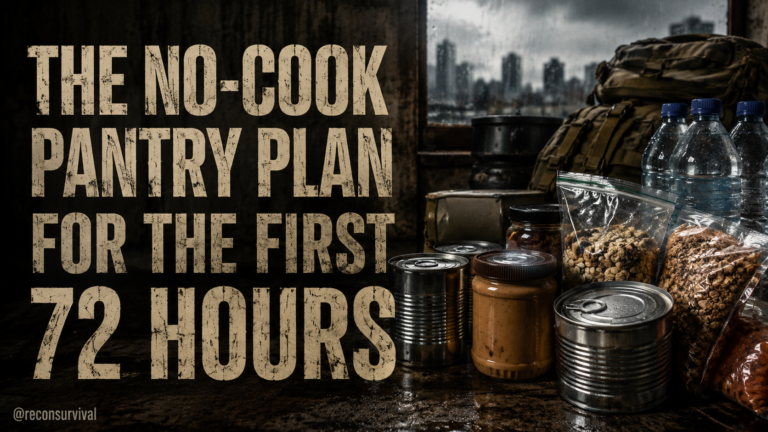
Place ready-to-eat food and a manual can opener on the pantry shelf. That is the first cooking backup to establish before buying another burner. When the stove stops working, the household still needs meals, drinking water, clean utensils, and a way to deal with opened packages. A backup that depends on moving outdoor equipment into the kitchen creates another emergency.
Start with the meals you can serve where you are. Then decide whether an outdoor cooking option is useful under the conditions you actually face. Cold, rain, darkness, and an icy path can make a technically working stove an impractical dinner plan.
Build Meals That Need No Flame
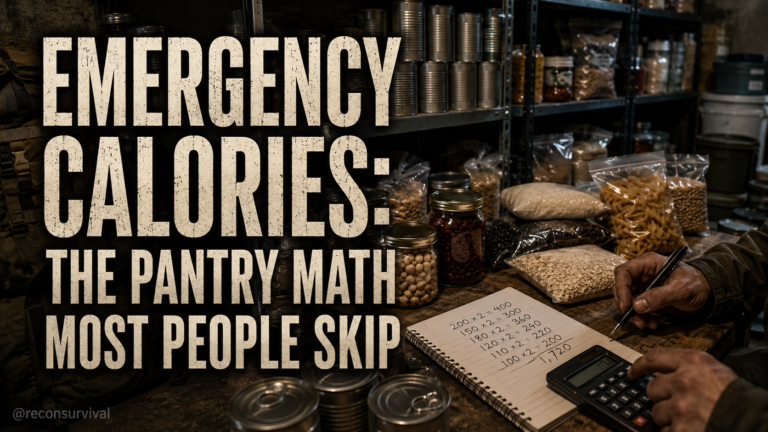
Read the preparation instructions on the food already in your pantry. Separate products that are ready to eat from ingredients that require cooking. Dry rice and ordinary dried beans belong in the cooking group. Crackers, nut butter, canned fruit, and commercially prepared foods labeled ready to eat can form the basis of the no-cook group. Account for allergies and the food each person can comfortably eat.
Write meal combinations on a card rather than keeping an inventory of unrelated cans. A tuna pouch, crackers, and canned vegetables make a different plan from dry pasta and an unopened jar of sauce. Both have a place in a pantry, but only the first combination avoids cooking altogether.
Choose package sizes you can use at a meal. Once a shelf-stable container is opened, follow its label for refrigeration and handling. Having food that keeps on the shelf does not mean its leftovers can sit on the counter indefinitely.
Put the Opening and Serving Tools Together
Test the manual can opener on a can you intend to use in normal meals. Clean it and return it to the same location. A missing opener can make an otherwise useful shelf inaccessible when the electric appliance is unavailable.
Keep bowls, spoons, napkins, and a trash bag with the meal card. Check whether anyone relies on an electric appliance to prepare or eat their food. Make a separate plan for that need rather than assuming the general pantry covers it.
Walk through serving a meal with the kitchen lights off and a flashlight on. Keep the exercise free of live flames. Notice where the opener, drinking water, utensils, and cleanup supplies actually end up. Move supplies to a reachable shelf if accessing them requires climbing or searching through a dark cupboard.
Keep Outdoor Cooking Equipment Outdoors
Read the label and manual for each backup cooking device. Outdoor camp stoves, charcoal grills, and generators belong outdoors, away from the building and openings. Opening a kitchen window or garage door does not make outdoor fuel-burning equipment appropriate for indoor use. Carbon monoxide alarms are an additional warning system, not permission to ignore equipment restrictions. CPSC explains the risks of fuel-burning camping equipment.
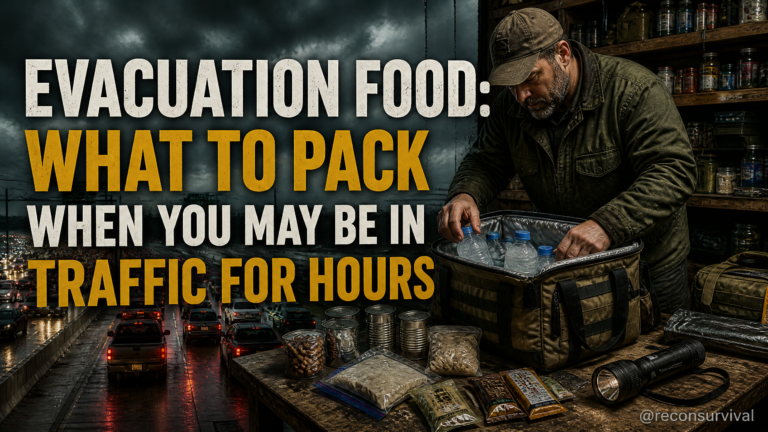
If cooking outdoors is part of the plan, inspect the route from the kitchen to the intended cooking location. Consider footing, lighting, weather exposure, and how hot food will be carried back. Do not trade a warm meal for an unsafe walk or an improvised fuel arrangement. Use the no-cook meals when conditions prevent safe operation.
Store the correct fuel according to the equipment instructions and applicable local guidance. Keep its storage separate from food and household exits. Do not improvise fuel substitutions, homemade burners, or indoor cooking arrangements.
Plan Water and Cleanup Alongside Food
Keep drinking water accessible without moving heavy containers in the dark. Match the meals to the water they require. Ready-to-eat products may reduce preparation demands, but people still need water to drink and a practical way to clean their hands and utensils.
A bucket of dry ingredients that needs repeated boiling is a different backup from food that can be served straight from its packaging. Record those dependencies beside the meal list. Keep any boiling or cooking option conditional on having a safe place to operate it.
For refrigerated food, follow current official food-safety guidance rather than judging safety by smell or appearance. Keep appliance thermometers available and avoid unnecessary refrigerator openings during an outage. FDA provides power-outage food guidance.
Rotate the Meals You Expect to Eat
Use the backup combinations in ordinary lunches or dinners. Replace what the household uses and put older purchases where they are visible. Keep preparation instructions and allergen labels with the food instead of discarding them during repacking.
Inspect packaging before relying on it. Separate damaged or leaking products from usable supplies. Choose replacement foods based on what people ate during the practice meal, not what looked impressive in a storage bin.
Do Today
- Place ready-to-eat food and the manual can opener on an accessible shelf.
- Write the actual meal combinations on a card.
- Separate ingredients that require cooking from food that is ready to serve.
- Read the restrictions on every backup burner or generator.
- Check drinking water, utensils, lighting, and cleanup supplies.
- Serve a practice meal and replace what you use.
The useful cooking backup is a meal the household can prepare safely under the conditions at hand. Establish that meal before adding another piece of equipment.