
Cold-Weather Cooking Backups: Meals You Can Make When the Stove Is Not an Option
Place ready-to-eat food and a manual can opener on the pantry shelf.
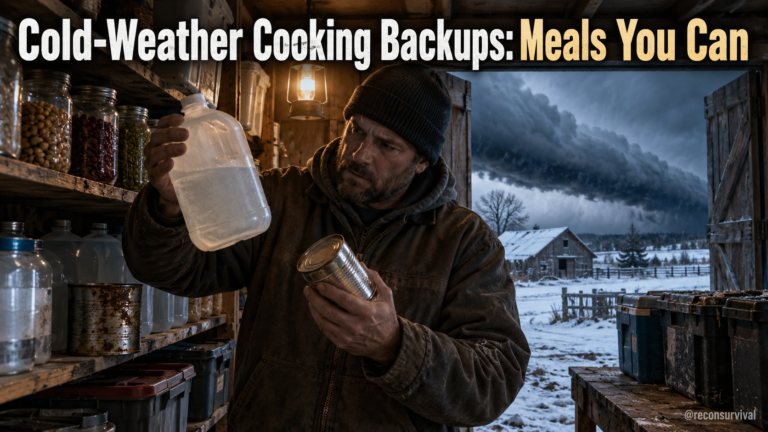
Place ready-to-eat food and a manual can opener on the pantry shelf.
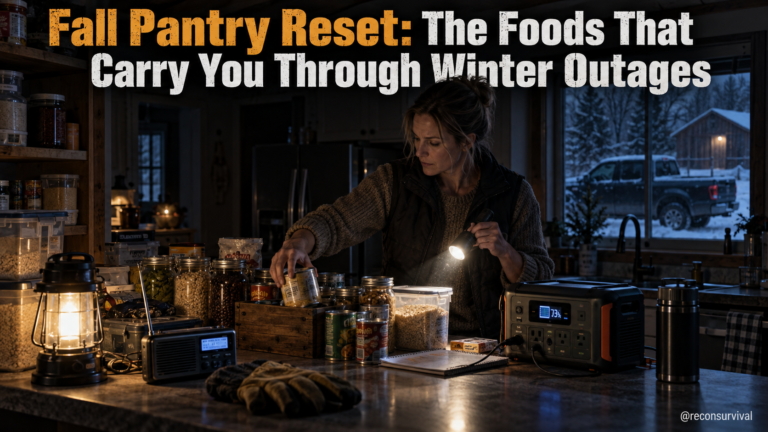
Pull the oldest dated can to the front of the pantry shelf.
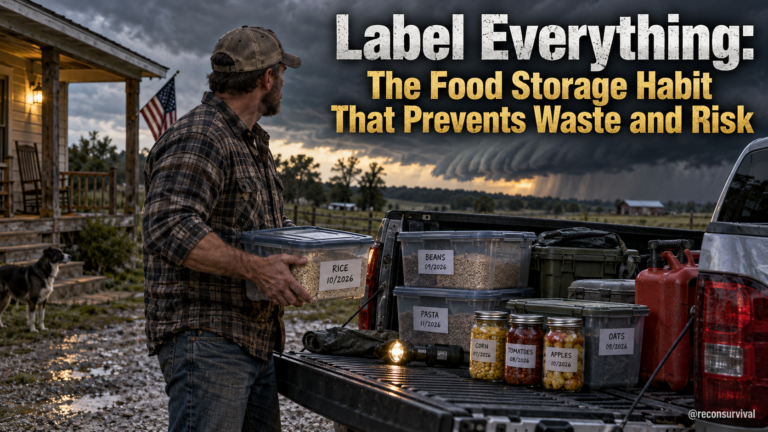
The first thing to fail isn’t the food; it’s the label.

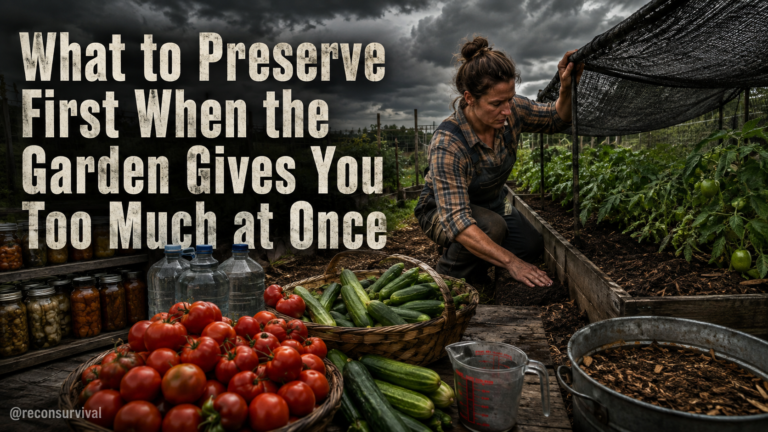
When a single night of high yields floods your counter with tomatoes, cucumbers, and peppers, the first failure point is almost always the window of time before those items rot.
The air conditioning unit in a vacant house shifts from a cooling burden to a liability the moment the thermostat is left at summer highs.
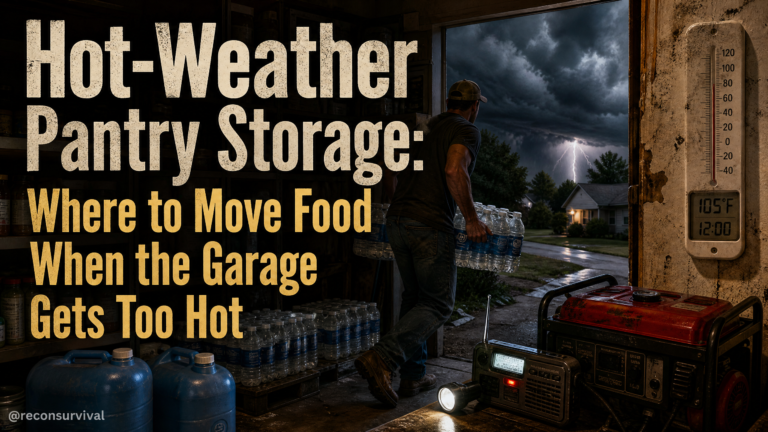
The garage thermometer reads 105°F at noon.
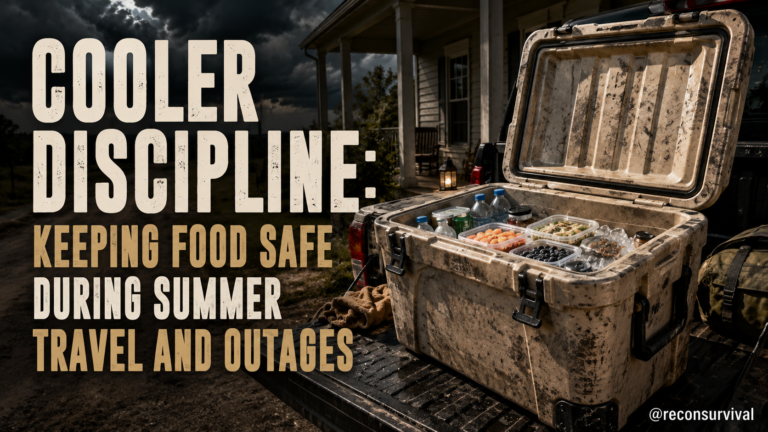
The first casualty of a hot summer day isn’t the house structure or the vehicle security; it is the temperature inside a cooler.
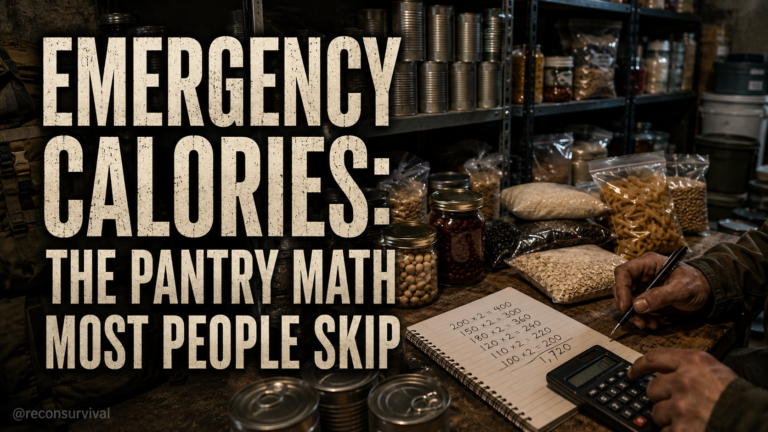
Summer heat changes the rules for food storage and safety.
A practical way to make food safety and meal decisions in the first half-day of a power outage, but most advice is either too generic, too gear-focused, or too late.
A practical way to protect food, water, medicine, and batteries from heat damage and spoilage, but most advice is either too generic, too gear-focused, or too late.
A practical way to prepare simple meals that do not require refrigeration, stove power, or complicated cleanup, but most advice is either too generic, too gear-focused, or too late.