
The Dark-Season Home Security Plan: Lighting, Locks, Routes, and Habits
As the evenings shorten and the leaves turn, the routine that kept your home safe in August no longer fits the days in November.
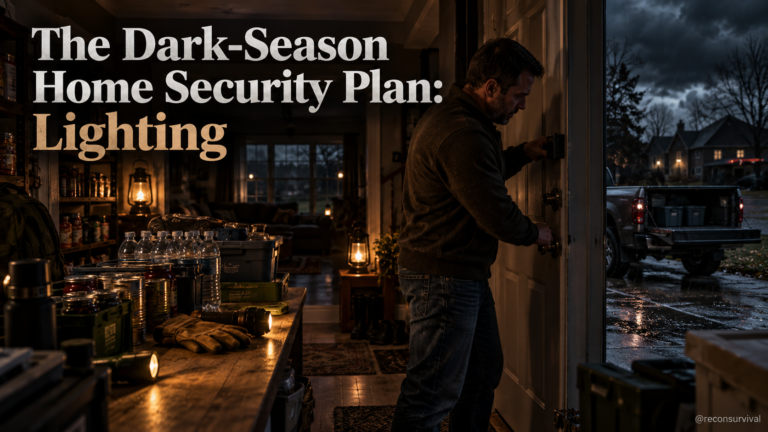
As the evenings shorten and the leaves turn, the routine that kept your home safe in August no longer fits the days in November.

If this happened tonight, would your household already know how to handle it?
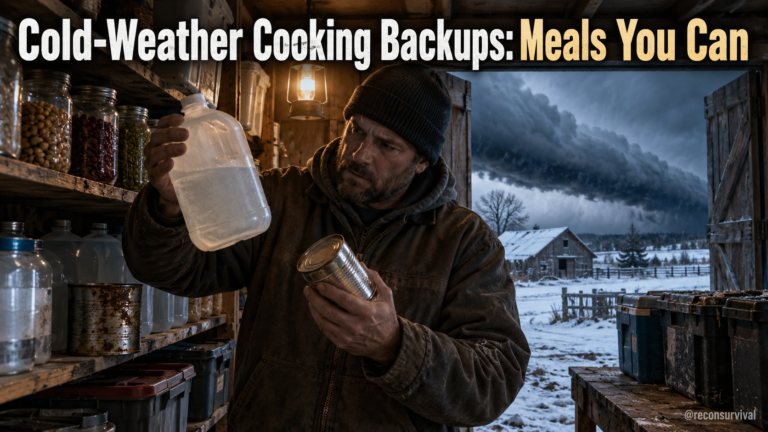
Place ready-to-eat food and a manual can opener on the pantry shelf.
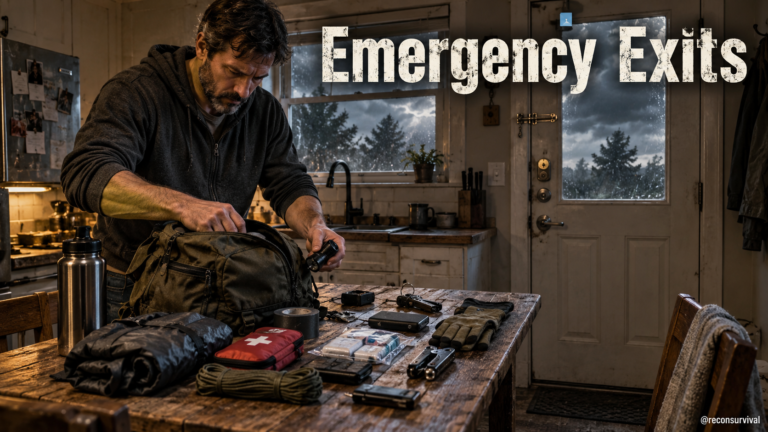
Open the exit door from inside and check that the path is clear.
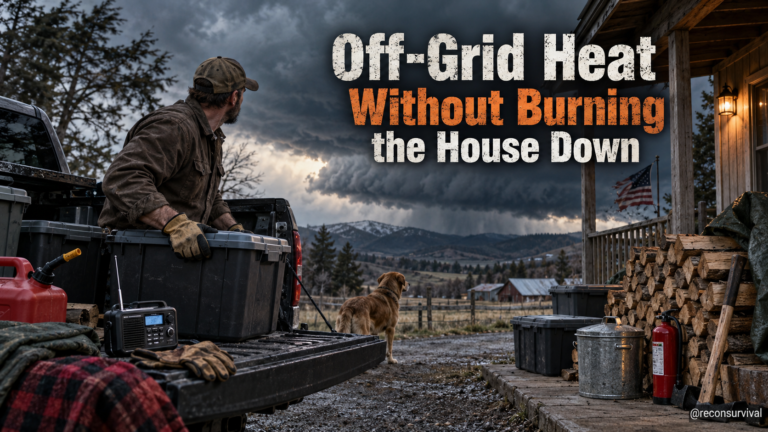
Read the heater label and check that its intended location matches the instructions.
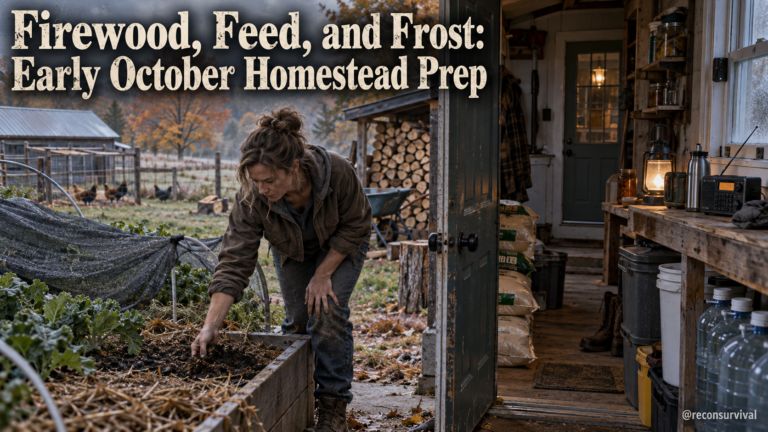
Inspect the firewood cover and check the feed container lids for damage.
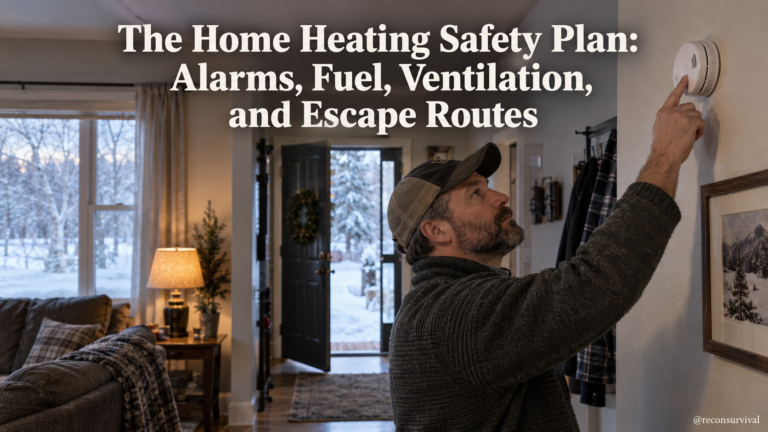
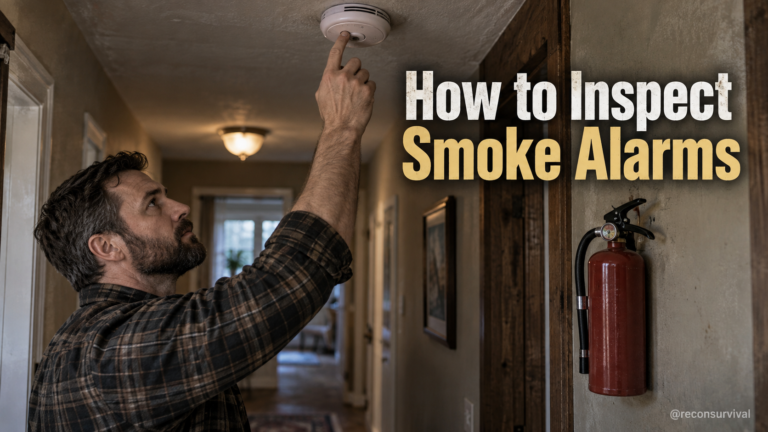
Test one smoke alarm button and check the extinguisher gauge according to the equipment instructions.

Write the weather alert and household departure trigger on a paper card.
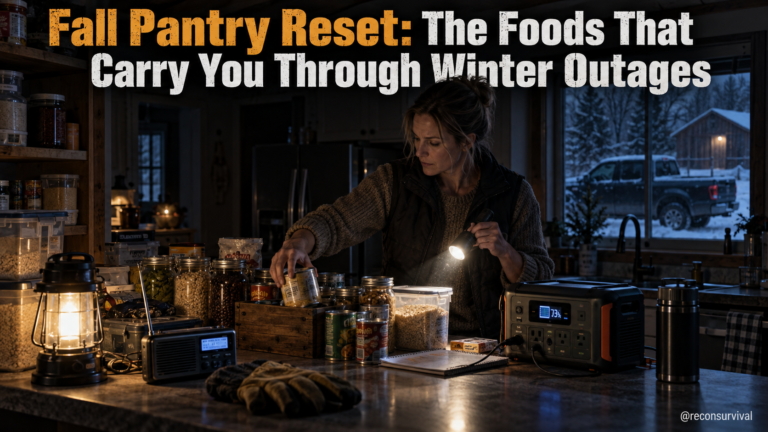
Pull the oldest dated can to the front of the pantry shelf.
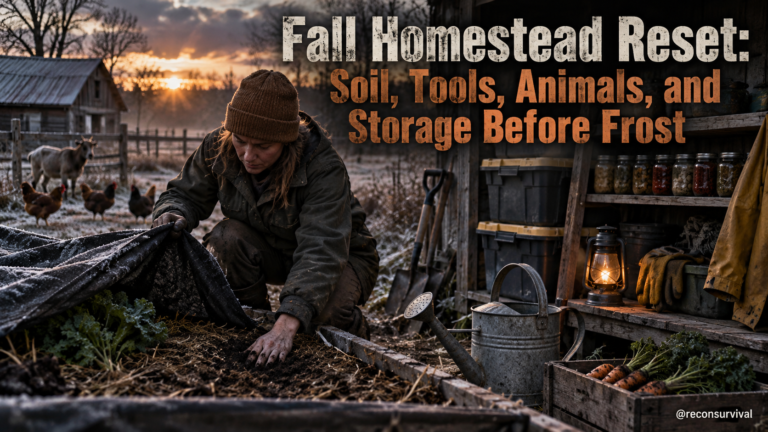
The frost doesn’t announce itself with a siren; it arrives with the first hard freeze, turning wet soil into a cement-hard block that crushes winter roots and snapping wood into brittle dust.
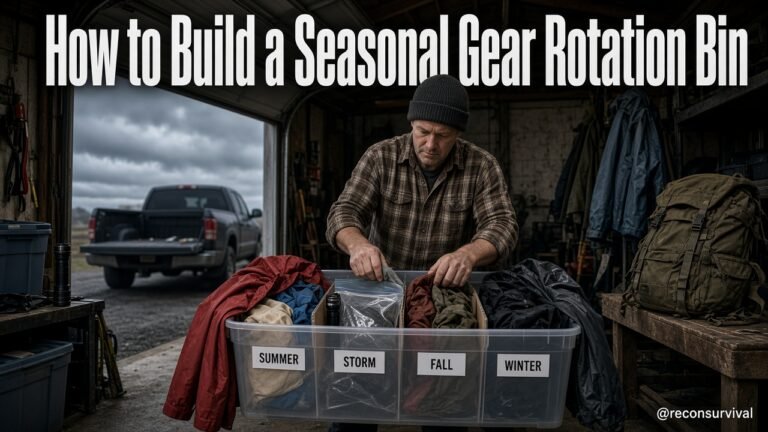
Take a single, medium-sized storage bin and a set of four clearly labeled dividers or zip-top bags.